Commerce intelligence built around how brands really operate
Stride helps commerce teams target and size accounts using GMV, media intensity, channel mix, SKU scale, fulfilment, marketplace reliance, and platform type.
In commerce, the same revenue can hide very different businesses
Two brands with similar revenue can have completely different acquisition economics, catalogue complexity, fulfilment models, and marketplace dependence.
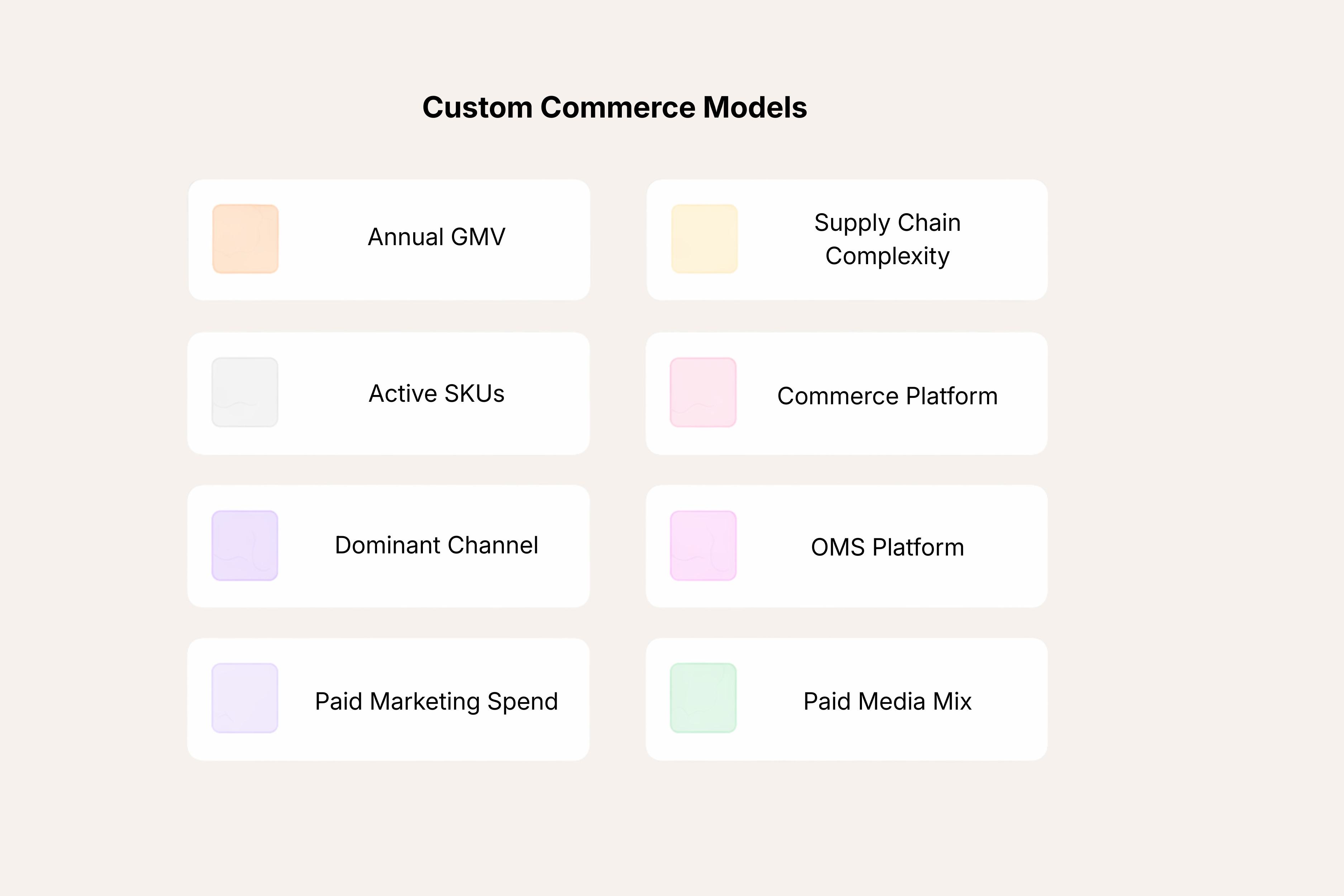
- Two brands with the same revenue can have completely different growth engines and economics.
- Catalogue scale and merchandising cadence tell you more than headcount alone.
- Fulfilment model and delivery promise shape operational complexity and buyer needs.
- Marketplace reliance changes how much control a brand has over its own growth.
Model the signals that actually drive commerce performance
Footprint helps commerce teams work from a more useful operating view by classifying the commercial and structural signals that generic enrichment misses. That makes targeting, segmentation, and market prioritisation much more grounded in how a brand really runs.

- Estimate GMV alongside annual paid media spend and media intensity.
- Classify dominant acquisition mix across paid search, paid social, marketplaces, affiliates, email, organic, and offline led motion.
- Capture active SKU count and product launch cadence to reflect merchandising complexity.
- Distinguish fulfilment model, delivery promise, marketplace reliance, and commerce platform archetype.
Segment commerce accounts with logic built for how brands operate
Opportunity Sizing applies commerce specific inputs so teams can prioritise accounts using real commercial signals, not just generic company size. This gives GTM teams a more realistic basis for territory design, whitespace discovery, and account tiering.
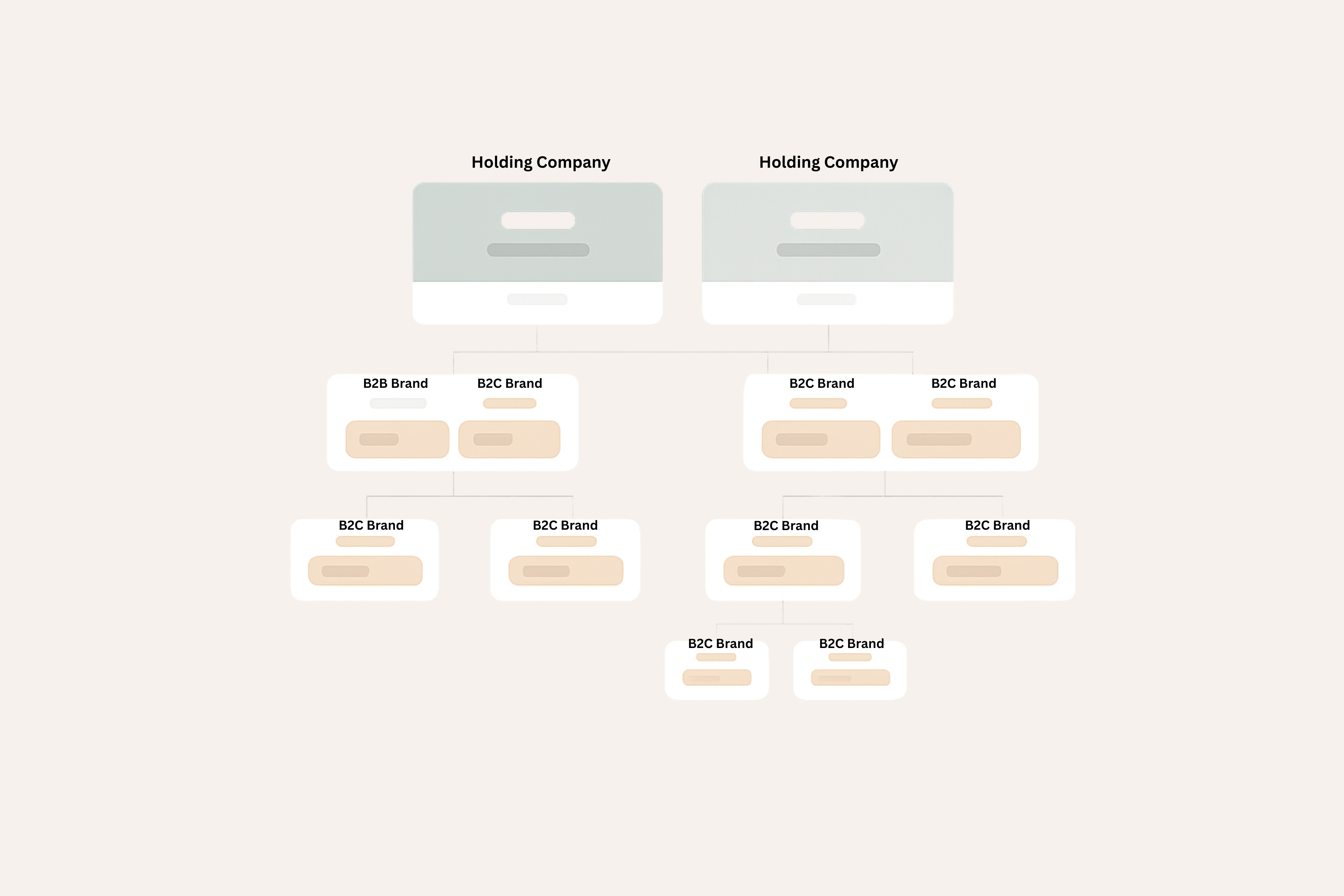
- Tier brands using GMV, media intensity, and acquisition mix, not just revenue bands.
- Separate high SKU, fast merchandising operators from low complexity businesses.
- Factor marketplace reliance and fulfilment structure into account prioritisation.
- Size opportunity in a way that reflects operating model, not just topline scale.
Turn fragmented commerce data into better GTM decisions
Stride compares your CRM to a more differentiated commerce company universe, then recommends the enrichments and net new accounts most likely to improve targeting and market coverage. The goal is not more enrichment activity, but better commercial action.

- Find accounts your CRM misses because standard vendors lack commerce specific depth.
- Enrich the fields and signals that affect segmentation, routing, and prioritisation.
- Feed better company context into ABM, outbound, partner, and territory workflows.
- Deploy changes safely with confidence thresholds, approvals, and rollout caps.